Table Of Content

The symptoms of hair loss caused by stress can vary on the person and the type of hair loss you’re experiencing. The different types of hair loss that can be caused by stress are telogen effluvium, alopecia areata and trichotillomania. 'Menopause-related hair loss in women, often due to hormonal changes, manifests as thinning or shedding. Treatments include hormone replacement therapy (HRT) to restore hormonal balance, minoxidil to promote hair growth, and supplements like biotin and iron to support hair health. Additionally, lifestyle changes and stress management can help mitigate hair loss symptoms,' says Dr. Balwi. Dr Asfour says stress has been suggested as a possible trigger for two common types of hair loss called telogen effluvium and alopecia areata.
Patchy hair loss (alopecia areata)
If you’ve ever experienced a period of significant stress you’ll know it can cause a long list of symptoms, including problems sleeping, headaches, and heartburn. Hair-pulling is often a response to stress, but the condition itself can also cause stress. This creates a vicious cycle, as visible patches of missing hair from pulling take a toll on a person’s mental and emotional health.
Female-pattern baldness
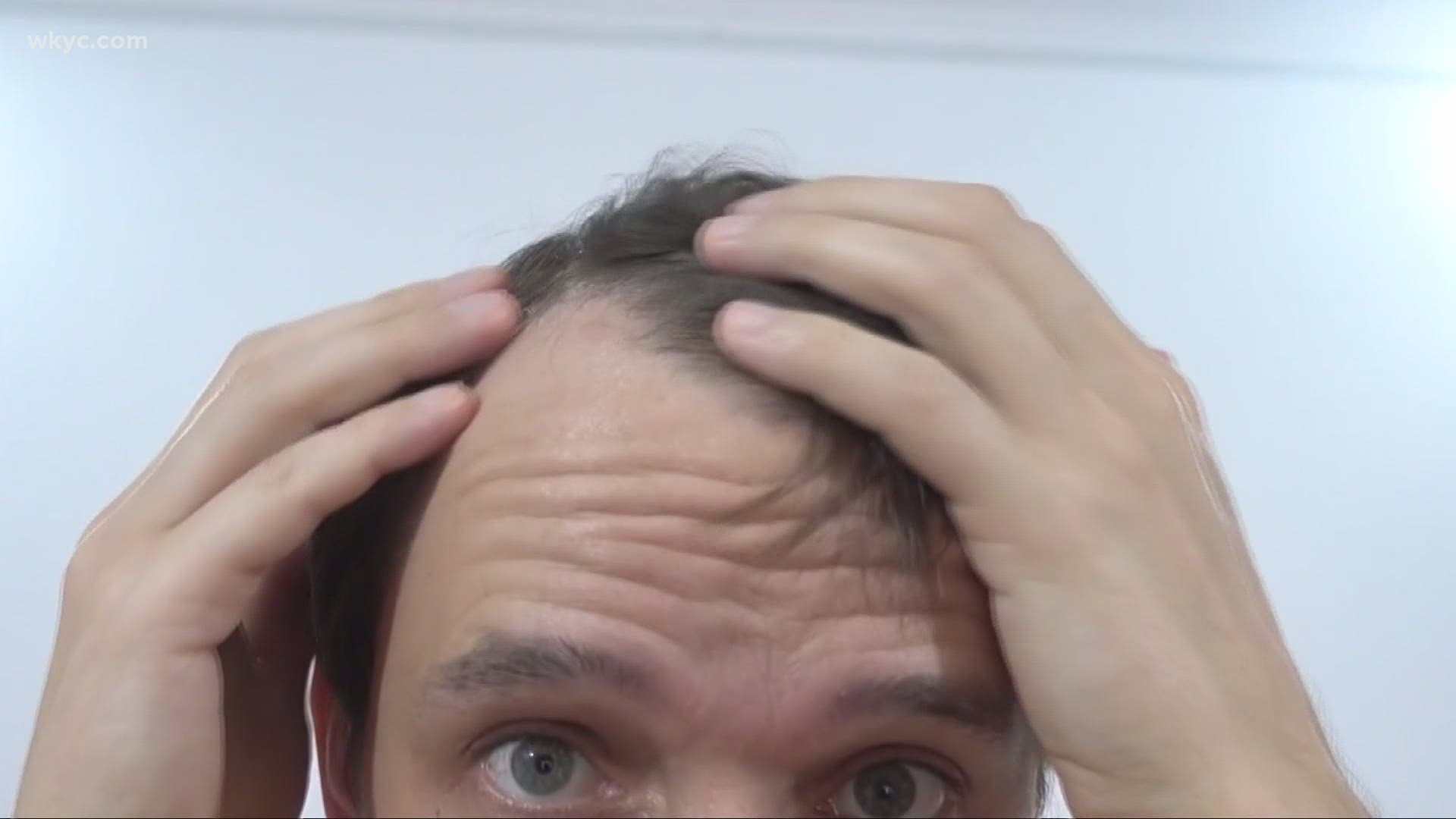
Treatment depends on the underlying cause and may include lifestyle changes, medications, topical treatments, and immunotherapy. Stress management techniques, such as deep breathing, can also help manage stress and decrease the risk of hair loss. Acute telogen effluvium is self-limiting and will typically resolve once the underlying cause is treated. Some research shows that the medication minoxidil can help people with chronic telogen effluvium. However, further research is needed to confirm the full effects it can have on hair shedding. If your hair loss is caused by stress, it’s possible for your hair to grow back in time.
I want to get healthier
There are many factors and conditions that could cause you to lose your hair. Learning how to effectively manage your stress levels may help you reduce your risk for further hair loss. TE may be the second most common type of hair loss seen by dermatologists.
Alopecia areata is another type of hair loss that can be triggered by stress. This type of alopecia is believed to be related to the immune system. It usually causes a very distinctive type of hair loss, where small coin-sized bald patches appear across the scalp, face, and body. It isn’t clear why, but studies have shown that stressful experiences can cut short the anagen phase and push more hairs into the telogen phase. This is why stress is known to be a trigger for this type of hair loss.
How Extreme Stress Causes Hair Loss - Forbes
How Extreme Stress Causes Hair Loss.
Posted: Tue, 30 Jun 2020 07:00:00 GMT [source]
Male-pattern baldness typically appears first at the hairline or top of the head. Treatment for stress-related hair loss depends on the type of hair loss a person experiences. The exact cause of trichotillomania remains unknown, but many people report the occurrence of a stressful event before the hair-pulling behavior. A team led by Dr. Ya-Chieh Hsu of Harvard University studied the underlying mechanisms that link stress and hair loss. The study was supported in part by NIH’s National Institute of Arthritis and Musculoskeletal and Skin Diseases (NIAMS).
Special Health Reports
Together, these findings supported the role of corticosterone in inhibiting hair regrowth. TE is usually caused by extreme stress and can affect up to 70 percent of the hairs on your head. TE hair loss often occurs months after the stressful event that triggers it, causing the hair to suddenly thin at once. You may notice more hair in your brush, in the shower drain, or even on your pillow at night.
“We all shed hair every day,” she says, “but people with telogen effluvium shed more than usual. It may inhibit hair regrowth, cause the body’s immune system to attack the hair follicles, or cause an irresistible urge to pull one’s hair. In men, this is known as male pattern baldness; in women, female pattern baldness. This type of hair loss is really common, probably affecting 50% of men over 50, and 40% of women over 50.
We’ve got all the deets on how stress affects your luscious locks and what you can do to treat or prevent stress-related hair loss. Most of us expose our hair to heat styling in some way, from diffusers to curling irons. "After shampooing and conditioning, apply a heat protector on damp hair," Hurtado says. "It reinforces a protective barrier to prevent breakage and breakage."
For a detailed guide to treatments for alopecia areata, consult this page on the Alopecia UK website. If you're worried about your hair loss but think it might be telogen effluvium, you should still speak to your GP. And if you get your stress under control, your hair might grow back.
Experts don’t know exactly how common telogen effluvium is, in part because many people are not diagnosed with it. But women may be more likely to experience it than men, as it can be set off by pregnancy-related changes in the body, said Dr. Angela Lamb, a dermatologist at Mount Sinai in New York City. This usually isn't noticeable because new hair is growing in at the same time. Hair loss occurs when new hair doesn't replace the hair that has fallen out.
Keep reading to learn how stress can affect your hair health, whether its effects are permanent, and what you can do to help encourage regrowth. The exact cause of any particular case of alopecia areata often can’t be determined, Proudman said, but factors such as stress, shock, grief, illness or accidents can trigger it. Though we tend to think of stress as a psychological issue, it can affect your body.
‘Traction alopecia is hair loss caused by repeated pulling or tension on the hair follicles. Tight hairstyles like braids, weaves, or ponytails are common culprits. “Stress hormones such as cortisol affect our bodies in lots of ways,” she says, which may include disrupting the hair cycle. Hairs have a growth cycle of two years before stopping and falling out two months later. If your body "tells" more hairs than normal to stop growing, two months later more hairs will fall out.




No comments:
Post a Comment