Table Of Content

"We oftentimes think about shampooing as being beneficial for the hair. But we forget that we also have to address the scalp as well," says Dr. Davis. She says it’s more important to consider your hair type, texture and amount of oil production you usually experience. How much you sweat is a big factor in how frequently you need to wash, or at least rinse, your hair. Hughes recommends shampooing after sweaty workouts and anytime you wear a hat or helmet for extended periods of time.
Alternative shampoos
It’s also important to see your dermatologist if you are experiencing hair loss since dandruff is not usually a cause of hair loss, she adds. Before you get started, brushing out all tangles will help keep it from getting matted when you’re shampooing in the shower, Drouillard says. Apply shampoo, then massage your hair down to your scalp with your fingertips. Allow the shampoo to rinse down the hair shaft as opposed to piling hair on top of your head while rubbing in the shampoo. Intentionally emulsifying the ends can cause unwanted tangling and knots. What's more, not thoroughly cleansing clogged hair follicles can lead to hair loss if not careful.
Washing Hair: Step by Step
Ingredients ending in -cone like cyclomethicone, dimethicone, and amodimethicone are all silicone. The water temperature is another area where many people mess up. "This is a hard one to avoid, especially during wintertimes, but hot water can strip the hair of essential oils, leading to dryness and damage," Cavalcante says. Use lukewarm water, and if you can endure it, finish your washing process with a cold rinse.
Which is the best shampoo?
You can always add more shampoo but it’s harder to rinse out if you start with too much. However, no matter what conditioner or treatment you use, experts agree that you need to give it time to work. Like your shampoo, your treatment of choice should also be determined by the current needs of your hair. Patterson says, "The key here is to target and customize your treatments. If you want volume at the roots, use a volume treatment there, and then use a repair or hydrating treatment through your mids and ends."
Masks are available to treat all hair types and scalp conditions, including dandruff or an oily scalp. A scalp scrub can help remove excess oils, dead skin cells, and product buildup that pulls up on the scalp and the hair roots. Products are designed for specific hair types, including dry, oily, sensitive, and color-treated. If your hair gets greasy so fast that you're in the habit of a daily hair wash, then it's likely that you're overwashing your hair. As a rough guide, hairstylist and Maria Nila ambassador Diego Miranda recommends washing hair every two to five days. "Of course, it will depend on your hair and scalp condition, and also the type of lifestyle you have," he adds.
On the flip side, women after menopause have a decrease in androgens, which leads to less oil production. Fans of water-only washing tout gorgeous locks and bouncy curls, but there isn’t research on the benefits or downsides of only using water. There are several factors that can increase your need to wash your hair. Switching up your conditioner will make sure your hair doesn't get too used to any one product. It's essential to use cold water to close the cuticle since hot water alone can cause frizz, added Potempa.
Common Shampoo Mistakes That Can Cause Hair Loss (and Other Scalp Issues)
If you have color-treated hair, you should use color-protecting products to reduce the amount of color loss with each wash. On the flip side, if your hair feels dry, coarse, and frizzy, you may need to scale back the number of times you wash it. I'm obsessed with this curl cream, which provides effective, lightweight moisture while simultaneously styling my curls with medium hold. It's also cruelty-free and formulated without parabens, and is made by a Black woman-owned business that keeps natural hair in mind. Below, some of the best options for post-wash styling, for every hair type and texture.
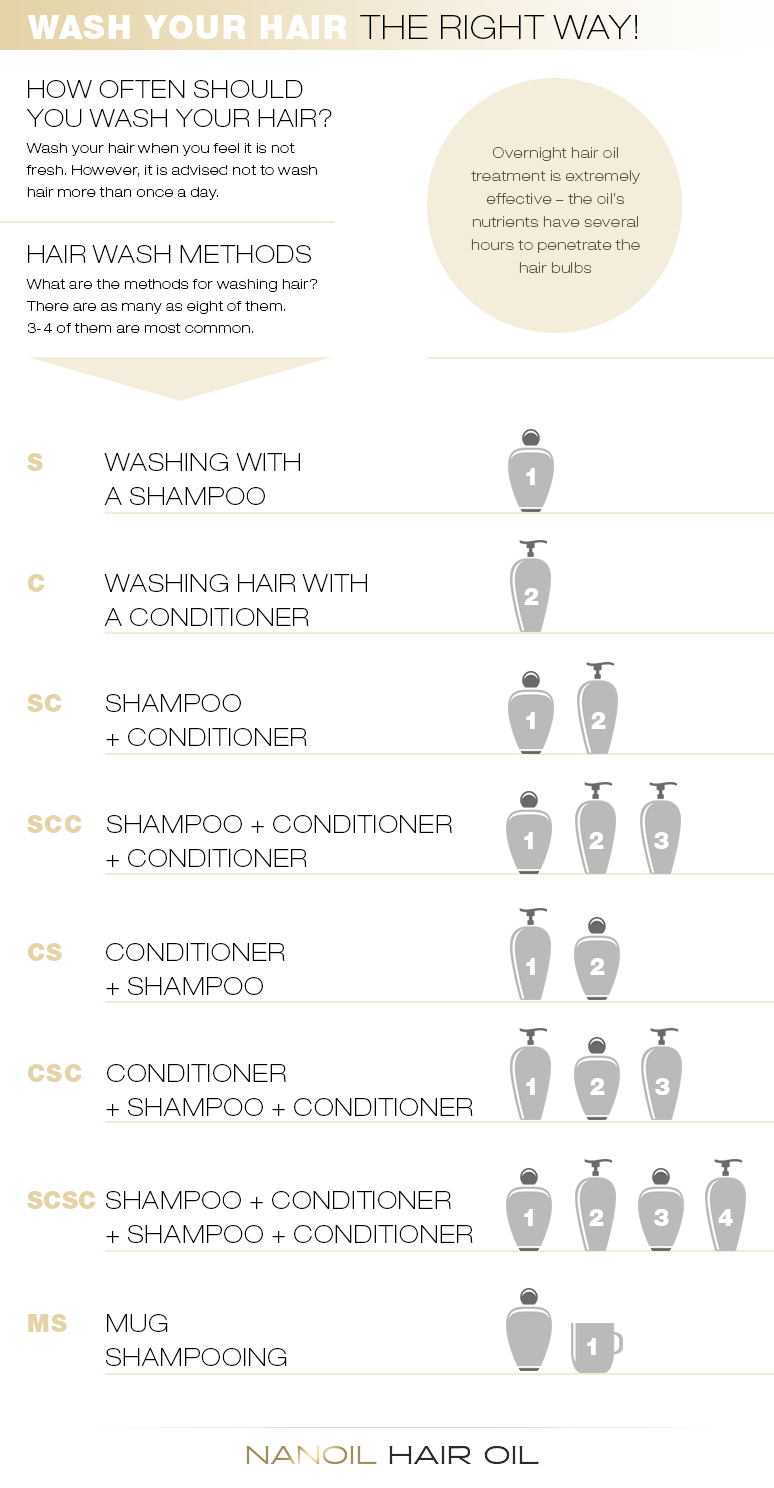
"Most importantly, you should avoid rubbing the ends of your hair because that can damage the cuticle," she adds. When you have completely worked out the shampoo, add conditioner to the ends of your hair. Make sure your conditioner is well suited to your hair by utilizing products in the same line.
Washing Your Hair Once a Week May Not Be a Good Idea—Even If It Looks Clean - Vogue
Washing Your Hair Once a Week May Not Be a Good Idea—Even If It Looks Clean.
Posted: Tue, 15 Aug 2023 07:00:00 GMT [source]
Best overall shampoo bar: Lush Honey I Washed My Hair Shampoo Bar
How often should men wash their hair? Experts weigh in - The Manual
How often should men wash their hair? Experts weigh in.
Posted: Wed, 13 Mar 2024 07:00:00 GMT [source]
First, “leaving hair oil on for too long can lead to occlusion of the follicles and can contribute to seborrheic dermatitis,” says Dr. Spann. So, if you sleep with it overnight, make sure to wash yours out after 8 to 10 hours with shampoo. And if you notice your scalp starts to feel irritated, flaky, or itchy—aka the opposite of how you want your scalp to feel after oiling—stop oiling ASAP and make an appointment with your dermatologist. This can result in leftover residue in your hair that will build up over time and can cause itchiness and irritation on the scalp, according to Jordan. You should avoid a scalp detox if you have sensitive skin or an inflamed scalp. Chemical products can burn the scalp when misapplied or overapplied, especially for people with sensitive skin.
Now that I live on my own, I still take the time to oil my scalp once a week—but rather than make my own blend, I use one of the many hair oils on the market. And dare I say, it's the reason I constantly get compliments on my healthy, smooth, long hair. Keep reading for my product recommendations, as well as how to properly oil your hair and how often you should be hair oiling, according to experts.
Some people produce enough oil to need to wash their hair daily, but they are not the majority, according to Hughes. Most people only produce enough oil to wash every couple of days. Once you’ve shampooed your whole head, Olivia says to wash any remaining shampoo off your hands and divide your hair into sections. Rinse each section, starting from the scalp and working your way down. “Once you’ve rinsed, run clean hands through your hair to make sure you didn’t miss any shampoo,” adds Olivia. “One common mistake is not wetting the hair enough,” says Olivia.
Sure, maybe you did a little research when picking your shampoo and conditioner. But you probably didn’t spend a lot of time wondering if you’re actually washing your hair correctly. Applying a solid shampoo isn’t much different from using a regular shampoo, according to our experts. First, ensure your hair is very wet before applying the product, and you’ll need to wet the bar as well. Then, either rub the bar directly onto your hair or lather it in your hands. Make sure the shampoo is really well distributed, and then rinse thoroughly, says Jordan.
When I wash my hair, I use a quarter size amount of shampoo just on the roots, and very little on the ends. When I condition, I use a dime size amount, but only on the ends and nowhere near the root. I must scrub my hair for 1, 3, 5, 10, 15 minutes rarely, and it still ends up greasy somehow. I use aveda shampoo and conditioner, and I don't use any other products. I've tried everything, from washing it every day, to every other day, to a few times a week, months at a time, but it never made any difference.



No comments:
Post a Comment